
How to Finance Your Solar Installation with CEIP in Alberta
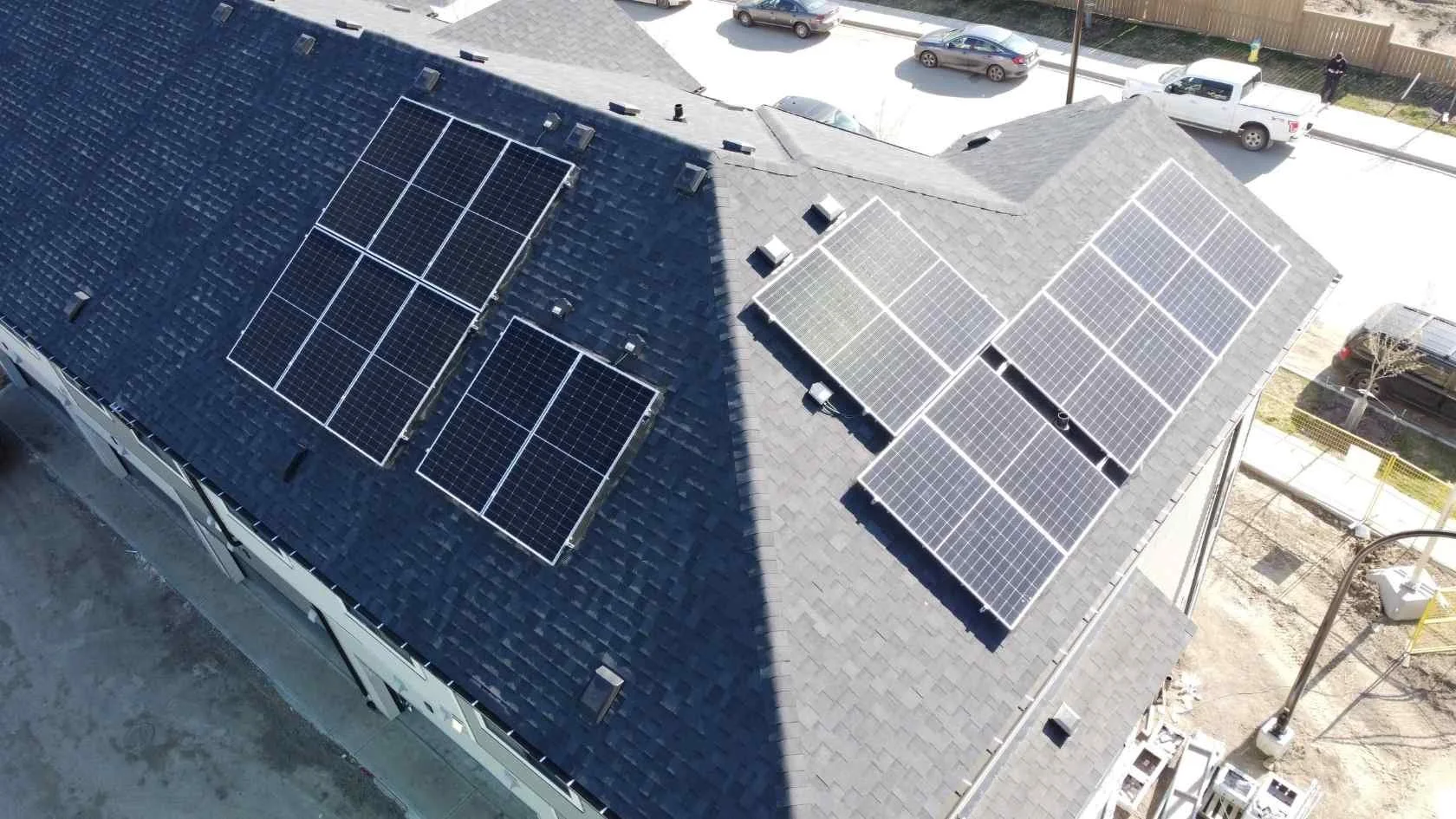
If you've been looking into solar in Alberta and the upfront cost is the thing holding you back, you're not alone — and you're probably also wondering what's actually left for financing now that the Greener Homes Grant and Loan are gone.
The short answer: the Clean Energy Improvement Program (CEIP) is the most practical option for most Alberta homeowners, and it works differently than a regular loan. Here's how it actually works and what the numbers look like.
What CEIP financing is — and what it isn't
CEIP isn't a personal loan. It's a financing program administered by your municipality. The amount you finance gets added to your property tax bill and you pay it back over a set term, the same way you pay your regular property taxes.
The practical difference: there's no separate monthly loan payment to remember, no credit application, and the financing stays with the property. If you sell, the next owner can take over the payments (along with the lower power bills) or you can settle the balance at closing.
The catch: it's only available if your municipality participates. As of May 2026, 26 Alberta municipalities offer CEIP, including Edmonton, Calgary, Beaumont, Lethbridge, Medicine Hat, Grande Prairie, St. Albert, Spruce Grove, Leduc, Strathcona County, Sturgeon County.
How the math works
The clearest way to understand CEIP is to walk through a real example.
Sample project: 10 kW residential solar system
System cost: $25,000
Financing: 100% through CEIP (no down payment)
Interest rate: 3.5% fixed (varies by municipality)
Term: 20 years
Monthly CEIP charge (added to property tax bill): ~$145
Now look at the other side of the equation:
Estimated annual production (Edmonton area, south-facing roof): 11,000–12,500 kWh
Average value of that production: ~$1,600–$2,100/year depending on your retailer and rate
Monthly value of solar production: ~$135–$175
So during the 20-year financing period, your CEIP payment is roughly offset by the energy savings. You're effectively converting a portion of your power bill into ownership of an asset that keeps producing free electricity after the loan is paid off.
After year 20, you own the system outright. The panels are warrantied to produce at 87%+ of original output through year 25 (and most last well beyond that), so you keep 100% of the savings for the remaining life of the system.
What about rebates?
Some municipalities stack additional rebates on top of CEIP. Beaumont, for example, offers:
$400 base rebate for completing any approved CEIP project
$700 additional rebate if your post-project EnerGuide evaluation confirms a 30% reduction in energy use
That's up to $1,100 back on top of the financing — applied directly to your CEIP charge to reduce what you owe. Other municipalities have different rebate structures. We confirm what's available in your specific area before we quote.
Eligibility, in plain language
To qualify for CEIP, you need to:
Own a low-rise residential property (detached, semi-detached, townhouse, or row house) in a participating municipality
Be current on your property taxes (and have been for the past five years)
Be in good standing with your municipality (utilities, permits, bylaw)
Not be in foreclosure or bankruptcy
Have your mortgage and any property-secured debt up to date
If you have a mortgage, check whether your lender requires consent for a CEIP charge to be added to the property. Most don't, but some do.
What's notably not required: a personal credit check, an income verification, or a debt-to-income calculation. CEIP is property-based, not borrower-based.
What CEIP doesn't cover
A few practical limits worth knowing:
Caps. Most municipalities cap CEIP financing at $50,000 per residential property. For larger systems, you can combine CEIP with cash or another financing source for the portion over the cap.
EnerGuide evaluation cost. You need a certified evaluation before approval (~$500–$700). Some municipalities offset this with rebates.
Qualified contractor only. CEIP only finances work done by a CEIP Qualified Contractor. If you hire someone outside the program, no CEIP financing.
Getting started
If you're ready to find out what CEIP would look like for your home specifically, the first step is a proposal with real numbers. We design the system for your roof, calculate the actual production estimate based on your location and orientation, run the CEIP financing math against your municipality's terms, and show you the net monthly impact.
Last reviewed: August 2026